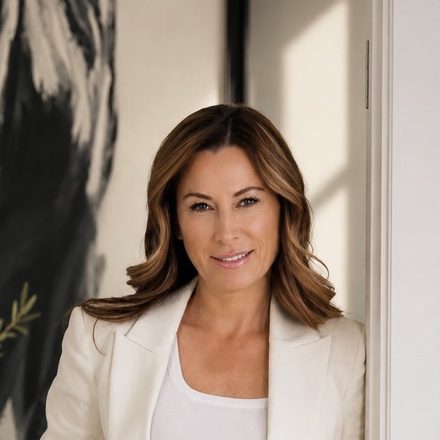
Machine transcript of phone recordings of Spotify playback (the original audio files are no longer available). Lightly corrected; speaker labels and a few names are best-effort, and anything marked [unclear] or [unverified] needs a listen. Assembled from two phone recordings; a few seconds may be missing where they meet, at about 31:14. In fast back-and-forth, short replies are sometimes folded into the other speaker's paragraph. Timestamps are from the start of the episode.
[0:00] ALEXIS MICHAUD: Welcome to Home with Alexis Michaud, [interesting] stories and conversations with the individuals that make up the fabric of our community. In every episode, we will give a shout out to a local business, provide some home tips, and have an interesting conversation with someone who makes our community a better place to call home. Today's local business shout out goes to CORE Academy. Are you looking for a way to have a great impact in our community and don't know where to start? Check out CORE, an after school program that you will learn a lot about on today's episode. Lindsay and her team use a two-generational model to pull families out of poverty while providing an after-school program that is truly unique and is getting data-proven results. Her pipeline to success is child-specific. She isn't a fan of institutionalized education. Each child is unique, and each child gets a curated program specific to their needs and likes. Today's guest is Lindsay Harper, Executive Director of CORE Academy. Lindsay Harper is a rare gem, not only for Las Vegas, but for the world. You know when you meet someone and their energy, intellect, and value shines so bright that you just want to be near them? Lindsay is one of those people. She's a native to Las Vegas, considered going to law school, and eventually landed a position that by her own admission, she wasn't qualified for at the I Have a Dream Foundation. After years of service to that foundation, she was positioned to start an after-school program called CORE. Lindsay educates herself on topics in a way that is rare. She isn't going to reinvent the wheel. She takes best practices from all over the country and she started a program that is truly making a difference in our community. We talk about the importance of using data-driven analytics to pivot, to own up to what is not working and to keep moving forward. Anyone who knows Lindsay must love her. She's a bright light, incredibly hardworking individual who is one of the few who can actually quantify the impact of her work and those of her staff. You will not want to miss this episode. Today we have on the show, Lindsay Harper, Executive Director of CORE. Lindsay, I'm so excited to have you on the show.
[2:41] LINDSAY HARPER: Thank you so much. I'm so excited to be here.
[2:43] ALEXIS MICHAUD: Oh man, since we met a few weeks ago, I couldn't get enough of that conversation. Like I told you, I wish I had been recording it. It would have been very natural. Your story is exhilarating. It's inspiring is what it is. Holy cow. I'm sure everybody says that to you. I can't imagine what it's like to feel like that.
[3:07] LINDSAY HARPER: Yeah, they do. They do. At first I was like, oh no, this is kind of everybody's experience. But I've just felt really fortunate that the people that have been in my life that have guided me. And really, I'm just so thankful that I kind of fell into what I do because it isn't a job, it isn't a lifestyle, it's my heart.
[3:26] ALEXIS MICHAUD: Oh, I love that. Yeah, you were destined for this. So before we get into what it is that you do, the first question I ask anybody on the podcast is, what did you want to be when you grew up?
[3:39] LINDSAY HARPER: I wanted to be president of the United States.
[3:41] ALEXIS MICHAUD: I have two, garbage man and chief of staff.
[3:44] LINDSAY HARPER: I love it. Very different.
[3:46] ALEXIS MICHAUD: See, we could have worked together.
[3:47] LINDSAY HARPER: Really could have.
[3:48] ALEXIS MICHAUD: I love that. Okay, so wow. And what inspired you to want to be president of the United States?
[3:55] LINDSAY HARPER: So my dad's an attorney and he was really involved in politics and you know, he's really idealistic about politics. So it was always like that very much Mr. Smith goes to Washington, all the president's men type of mentality.
[4:09] ALEXIS MICHAUD: Yeah.
[4:10] LINDSAY HARPER: And so, you know, I, you know, I idealize my dad and so I idealize the politics piece of it.
[4:16] ALEXIS MICHAUD: Yes.
[4:17] LINDSAY HARPER: I also, you know, it really bothered me that we never had a woman president before.
[4:22] ALEXIS MICHAUD: Yeah.
[4:23] LINDSAY HARPER: And I was like, man, you know, if I could do that, that would be incredible. I felt like I could really kind of change the world if I became president. And you know, some of that has changed as I've gotten older because you start realizing really hard to hold that position.
[4:35] ALEXIS MICHAUD: And accomplish something.
[4:35] LINDSAY HARPER: Exactly. There's not a whole lot of change.
[4:41] ALEXIS MICHAUD: [unclear]
[4:41] LINDSAY HARPER: Exactly. Yeah, but it just seems really intriguing to me to have that kind of leadership position and really be able to change, you know, the country.
[4:47] ALEXIS MICHAUD: Lindsay, I think that's really unusual.
[4:54] LINDSAY HARPER: Really?
[4:54] ALEXIS MICHAUD: Yeah, because I don't know, growing up, I didn't think about it. I just knew that the presidents of the United States were white men.
[5:02] LINDSAY HARPER: Right, right.
[5:02] ALEXIS MICHAUD: That's what I saw. I didn't think much about it until I didn't think I couldn't do it, but it wasn't in the, it wasn't until I got into maybe high school that I started to really like put that together and I hope I don't go too far off a tangent, but my husband's a cyclist and so we watched the Tour de France every single year. But I have daughters and there are no women in the Tour de France and my six-year-old said, She was watching it one morning and she said, can girls do that? And I got super pissed.
[5:34] LINDSAY HARPER: Right.
[5:35] ALEXIS MICHAUD: Because I was like, yes, they can. But this is what you're seeing.
[5:39] LINDSAY HARPER: Right. And I think that the reason that I could dream that big was, you know, my dad told me that I should never let anything hold me back, including my gender. And my mom used to tell me that, you know, there was no man out there that was better than me. You know, that I could accomplish. You know, my mom was really active in the women's rights movement. And so we never really learned, my brother and I never really learned gender norms.
[6:04] ALEXIS MICHAUD: Right.
[6:05] LINDSAY HARPER: You know, I mean, they wanted, you know, my mom wanted me to act like a lady, obviously.
[6:09] ALEXIS MICHAUD: Yes.
[6:10] LINDSAY HARPER: But she never told me that I couldn't do something because I was a woman.
[6:13] ALEXIS MICHAUD: Oh, same with mine. My mom said you can do anything and you can have anything.
[6:18] LINDSAY HARPER: Right.
[6:19] ALEXIS MICHAUD: But you can't have everything.
[6:20] LINDSAY HARPER: Exactly.
[6:21] ALEXIS MICHAUD: So you have to choose wisely.
[6:22] LINDSAY HARPER: Yeah.
[6:23] ALEXIS MICHAUD: At the time, I wanted a plane because Andre Agassi had a plane with a tennis ball on the back.
[6:26] LINDSAY HARPER: I love it.
[6:26] ALEXIS MICHAUD: And I remember I was little and she literally said to me, you can have a plane, but you need to consider the cost of fuel, the cost of employing pilots.
[6:34] LINDSAY HARPER: Oh, I love how practical that is. I love that she walked you through that.
[6:34] ALEXIS MICHAUD: Yeah, and I was like, okay. So, okay. So let's jump into what CORE is and then I want to walk through the story of how you got there because it gave me goosebumps.
[6:46] LINDSAY HARPER: Awesome. So really what CORE is, is it's this holistic two-generation comprehensive after-school program that follows kids and their families from the time they enter into sixth grade until they graduate from high school and then from high school all the students enter into an alumni program. And really what we look at is how do we educate and enrich and empower students so that they can lead choice-filled lives. You know really the way that I look at this is equity work like how do you create a level playing field so that all kids, including children of color, have the opportunity to be successful in life.
[7:25] ALEXIS MICHAUD: Let's talk about how long you've existed.
[7:28] LINDSAY HARPER: So CORE has existed since 2012. We started off as I Have a Dream Foundation in 2012 and then became CORE in 2015 when we partnered with the Rogers Foundation. We decided that we were going to leave the I Have a Dream affiliate network and become a community-based organization more than anything because we knew that we could become more powerful in our partnerships if we didn't have to answer to a national network.
[7:54] ALEXIS MICHAUD: Right. And this isn't politics, but it's local, the power of local.
[7:58] LINDSAY HARPER: Exactly.
[7:59] ALEXIS MICHAUD: Like you said, that's where you get the grassroots. That's where you get the people that care.
[8:02] LINDSAY HARPER: Exactly. Exactly. And when you're under a national name, and especially a national model, you can't really innovate outside of what they do. I Have a Dream is a wonderful organization and we still work really well with them, but you know, we decided we wanted to be heavy into character and not really follow the mentoring and tutoring model that they have.
[8:23] ALEXIS MICHAUD: And why? Why did you focus on character? What did you see? And you thought, we have a need here that we need to fix.
[8:29] LINDSAY HARPER: So you know, I started with this work in 2005. And what I realized is that tutoring and mentoring is important and it can definitely kids to where they need to go academically. But when you look at like empathy and grit and all of those things that makes a really good human, it takes character development. And so I felt like character was really the foundation of development for, you know, getting over really hard stuff. Majority of the kids that we work with are really in really tough situations. And so I felt like, you know, if we can develop this within the students, there isn't anything that they can overcome.
[9:09] ALEXIS MICHAUD: So if you have been doing this for as long as you had, and you said sixth grade to 12th grade, have you, so now, is that enough years to have a class graduate? Is that what it's called?
[9:17] LINDSAY HARPER: Yeah, I've actually had two. So my first class that I started working with, majority of them were in the 10th grade. And so I saw them graduate and then helped them through college and vocational school. And then this past year we had an entire class graduate. So 100% graduation rate, 100% college acceptance. 96 went on to college, the 4% ended up going into vocational school or working with their families. So it's just been incredible work. And it's a testament to the fact that if you stick with kids and you show them that there's hope and you show them where their potential lies, what can happen.
[9:55] ALEXIS MICHAUD: So let's talk about, I mean, absolutely thumbs up clapping like out of my mind excited, but let's talk about your two generational approach that you mentioned. The value of it, why? Why? Like, why did you go there?
[10:07] LINDSAY HARPER: So everything we do within CORE is super data driven. We want to bring in evidence-based models because we don't want to recreate the wheel. If it's working, then we want to bring it in. And so the Ascend Institute [Ascend at the Aspen Institute] out of DC has done some phenomenal work with working with two generation models. And there's two types of two-gen models. There is the kid entry point and the parent entry point. And so we decided we're already working with students. Why don't we use them as the entry point to start doing home visits, getting to know where the family's dreams lie, and really find out what they needed to be successful. Because we knew that if we could get dad or mom a better job, if they got better education, if they got their needs met, then obviously as they rise, the children come with them. And to be honest, it makes our jobs a lot easier. Because then we don't have to worry about making sure that basic needs are met and that we have a whole child that's entering into school and into our program. We can just really focus on getting them ready for college, developing their character and all of that.
[11:10] ALEXIS MICHAUD: Like I just keep smiling. At times I think we need to put these on video. Because you can't always, you know, feel so much in radio. Okay, so let's back up to where are you from?
[11:22] LINDSAY HARPER: I was actually born and raised here in Las Vegas.
[11:22] ALEXIS MICHAUD: Okay.
[11:22] LINDSAY HARPER: I'm second generation.
[11:27] ALEXIS MICHAUD: Okay.
[11:27] LINDSAY HARPER: Super proud of that. My grandfather on my mom's side, you know, worked at Groom Lake and at Nellis Air Force Base and And my grandmother was a real estate agent here. And we have just been very much embedded in this community and just wanted to see the best for it forever. The reason my mom and dad have stayed here is because they love this community.
[11:52] ALEXIS MICHAUD: Right. Me too. Me too, multi-generation here. So when you got out of high school, what were your plans?
[12:01] LINDSAY HARPER: So I was one of those kids that didn't really know what I wanted to do with my life. My dad was an attorney. He retired about two years ago. My mom was a dental hygienist. I didn't know. I just kind of felt like if I worked hard and I was kind, that things would kind of open themselves up for me. So I actually started working at Anthropologie/Urban Outfitters and fell in love with customer service and being around people and making people feel good about themselves. You know, that's one thing that my manager would tell me is you just have a way with people. Like you have a way to like inspire them to see the best in themselves. And so while I was in college at UNLV, I continued to work in retail when I graduated. Again, had no idea what I wanted to do with my life. And so I thought, you know what, I'm going to go to law school because that's what my dad, you know, did. And he's been, you know, successful and has helped change people's lives. So I want to do that. And by chance I interviewed for a job during that kind of gap year between college graduation and applying to law school at the Agassi Foundation. And the woman that interviewed me said, you know, you're great, but it seems like you want to be a helper. It seems like you want to specifically help children. Because I knew if I went into law that I wanted to be an advocate for kids. kids don't have any control over their environments or what happens to them. And so I knew if I could be that champion for them, that things could really change, that their lives would change and then their children's lives would change. And so I said, yeah, I agree with you. I do believe in kids and want to see kids' lives better. And she said, well, my business partner and I brought the I Have a Dream Foundation model to Las Vegas. We have a position open. It's for the executive director. And she said, why don't you apply?
[14:00] ALEXIS MICHAUD: So you're there for one interview and she's like, no, I want you to go over here.
[14:04] LINDSAY HARPER: Exactly.
[14:05] ALEXIS MICHAUD: And two, you are just out of college and she's saying executive director.
[14:09] LINDSAY HARPER: Exactly. So I was 21 and a half.
[14:11] ALEXIS MICHAUD: Okay.
[14:12] LINDSAY HARPER: And I didn't know what an executive director was.
[14:14] ALEXIS MICHAUD: Right.
[14:15] LINDSAY HARPER: So I went home and I started to do research and I went in for the interview about a week later. a week later and I just kind of led with my heart and I was super vulnerable and I told her I said I am not qualified for this. I've done the research but I'll tell you if you give me this opportunity I will find solutions. I will create partnerships and I will do what I have to do to ensure that these kids you know really get what they need in life and so they said okay great you've been interviewed officially we want you to now meet the kids and so I went to Dreamer Station which was behind Texas Station. It was in two mod space trailers donated by the Fertitta family. And I walked in and I saw and met and got to know the most brilliant kids I'd ever met before. And I had had an experience when I was in junior high school where it was during the busing period where they would take kids from low-income areas and bring them into higher income areas and vice versa. Yeah, that's when I was in school too. I met this kid James who he sat behind me and Ms. Wilson's English sixth grade class. We started talking and as we became friends I started to understand kind of his reality and his reality was very different than mine. You know he's from North Las Vegas, he lived with his grandmother, he'd never met his dad, his mom was an alcoholic. He was super ashamed to kind of tell me those things and in my sixth grade brain I kind of realized at that moment what injustice was. how come I got the great parents that I have and the lifestyle that I have and never had to want or need for anything but this kid who is just as good as I am and probably smarter than I am was born into different circumstances how could that be?
[15:57] ALEXIS MICHAUD: Exactly, exactly.
[15:57] LINDSAY HARPER: So when I met the students at I Have a dream foundation they reminded me of James and I thought you know what if I can you know right this wrong if I can try to do something with this and and create a change so that these students do have more opportunity and can lead that choice-filled life, then I knew like I will have done something great with my life. You know, one thing my dad told us growing up, his hero is Dr. Martin Luther King Jr. And he would quote to us, drum major instinct, the final line of it is, if I can help someone as I pass along, then my living will not be in vain. And so I thought, wow, like I, you know, I can really do something with this time that I have on earth. really create a change and not just be you know a liability but truly be an asset to the world.
[16:45] ALEXIS MICHAUD: Right. Clearly, Lindsay for president. Oh wow, I have tears in my eyes. Like the energy that comes off of you is magnetic. So let's talk about your dad.
[16:57] LINDSAY HARPER: Okay.
[16:58] ALEXIS MICHAUD: Because for those of you that can't see Lindsay, Lindsay is white. And you're advocating for this group that is probably mostly minorities is my guess, based on our conversation. And then your dad went to law school, but where did he go to law school?
[17:15] LINDSAY HARPER: So my dad went to Howard Law School, which is a historically black university in the early 70s. He was one of three Caucasian students, one of three white students at the school at the time. And I remember when I started to kind of figure out what Howard was, I said, dad, like Why did you decide to go there? And he said, you know, I really wanted to study under people who had marched with dr King who had led the civil rights movements because it was really my dad's intention to get into civil rights law and So that really struck me that you know my dad with you know being white You know being now as an attorney someone of privilege Like why did he make those decisions and it was because he too wanted to be you know an asset to the world He wanted to go through this world and not create harm, but create good and he felt like he could really do that through the practice of law
[18:08] ALEXIS MICHAUD: I love that and I think something that you had brought up when we met before was also he like he chose Howard because if He was gonna go fight for minorities, he wanted to understand
[18:16] LINDSAY HARPER: Yes.
[18:16] ALEXIS MICHAUD: Their lives, how they thought, what they're going through. How can you advocate if you don't truly get it?
[18:23] LINDSAY HARPER: Exactly, exactly. And understand the journey and the experiences of people who are different than you. And my dad said when he went to Howard, he tried so hard to fit in. You'd go into different community meetings, and they would stand up, and they would say, for brothers only. And he was like, OK. And then just slowly built trust and made some of his fellow classmates understand that he wasn't there to try to hijack anything or steal culture or do any of that, he was really there because he wanted to understand and he wanted to be an ally and a champion for. Because just like I said, where I met James and you understand you want to be a champion, he knew that racism and white supremacy was wrong. He wanted to try to do something about it. How could he use his privilege to do something about it?
[19:24] ALEXIS MICHAUD: Right. Okay, so back to I Have a Dream. You're there for how many years?
[19:32] LINDSAY HARPER: So I started with them and so it was 2005, so seven years I was with them.
[19:40] ALEXIS MICHAUD: Okay.
[19:41] LINDSAY HARPER: And loved every minute of it and just tried to learn as much as I possibly could and collected a ton of data. You know, really looked at, you know, is what we're doing increasing grades with the students. So is the tutoring actually creating a difference? Are we moving the needle? Is the mentoring program working? Are we finding people that mirror our kids that have been able to achieve in life? And how is that affecting them? And what I realized is that it was so well-intentioned, and it was done with the two founders or the two business partners' whole hearts, but it really wasn't enough. tutoring and mentoring is great, but it's not gonna get the kids to where they need to go. And so I really felt like, you know, if we could create something that didn't just create a transaction, it wasn't just a backpack or a meal or an hour of tutoring, but if we really could create something that was holistic and collective impact and that met people where they were at, so not just assumed what they needed, but asked them what they needed, what could we do?
[20:48] ALEXIS MICHAUD: Right.
[20:49] LINDSAY HARPER: And so in 2012, when the last kid graduated, Paul Colletta [spelling unverified], who's a board member of I Have a Dream Foundation Las Vegas said, you know, Lindsay, you've collected all this data, you have all these big ideas and dreams for this organization. Why don't you and I adopt another class of students? And so at that time we decided, okay, we're gonna launch I Have a Dream Foundation in Southern Nevada, because we had to change our names somewhat to show the difference between the two. And Paul, who's just a visionary in his own right, said, I really want you to take some time. So take six months and do even more research, even if you have to go look at other sites around the country and really bring back what is gonna work.
[21:30] Break: request for podcast ratings
[22:18] Back to the interview
[22:18] LINDSAY HARPER: And so I had the opportunity to go tour Harlem Children's Zone in New York, to go to Stanford School of Education and meet with Angela Duckworth who launched the Grit Movement to really look at even some of the political and policy issues around race and poverty. And met with people at the Children's Defense Fund and brought back information and in partnership with a lot of really brilliant people were able to launch this collective impact model that included meeting basic needs, character education, enrichment, academic support that just didn't limit itself to tutoring but really looked at where do kid strengths lie, how do you strength align them to do really, really well in school and to kind of propel them forward.
[23:03] ALEXIS MICHAUD: And what does that mean?
[23:04] LINDSAY HARPER: So with a lot of kid, you know, one thing that really drives me nuts about what I want to call industrialized education is that one size fits all. And so what I wanted to do is really work with kids to identify what are they really good at? You know are they good at English and communication? Are they better at math and science and then align that with a what I call a pipeline to success so align that with a Mentor and a career and some exploration around that career so that when they graduate from high school They have a plan and they know what they're good at and so you know a funny story is I had one student in the first class, he wanted to be a nurse so badly because he's a helper too. And so I said, you know, Larry, why do you want to be a nurse? He goes, well, I want to help people, especially elderly people. And I said, well, do you think there's anything that may hold you back from being a nurse? And he said, well, I'm afraid of blood. I said, that may be.
[23:58] ALEXIS MICHAUD: That's a big one.
[24:04] LINDSAY HARPER: And so instead, you know, he ended up looking at social work as being a helper and, you is now a social worker in Ohio and loves what he does. And so, right, like, and if we would have put him in that space where, you know, we put him on that path to being a nurse and then he realized two years in what he was gonna have to deal with and then had to figure something else out.
[24:23] ALEXIS MICHAUD: I mean, especially a child that's living, you know, in poverty that the first person in their family to go to college, that could completely derail them.
[24:32] LINDSAY HARPER: For sure, exactly. And so it's really looking at what are you good at, what do you want, where do your dreams lie, aligning all of that with great mentorship, career exploration, even looking at college degrees and colleges that offer those degrees and then getting them on a pipeline to success.
[24:48] ALEXIS MICHAUD: You're showing them a path that they would not necessarily find otherwise.
[24:52] LINDSAY HARPER: Absolutely, yeah.
[24:53] ALEXIS MICHAUD: So I wanna go back to the six months because you go to all of these like epicenters of data, knowledge, wisdom, experience, And it sounds like you pulled best practices.
[25:08] LINDSAY HARPER: Exactly.
[25:09] ALEXIS MICHAUD: Back to what you said, we're not reinventing the wheel. We don't need to. So how powerful is that?
[25:14] LINDSAY HARPER: Yeah, well to me, you know, I've always been a very, you know, logical and practical person. And so my thought was if these things are working in other communities and people have been really successful in doing this and it has supported the success of kids and families, why not bring it back here? Like, you know, I consider myself an intelligent person but I'm not smart enough to know all the things.
[25:38] ALEXIS MICHAUD: Right.
[25:39] LINDSAY HARPER: And so if I can just, and the way that I view what I do more than anything is kind of like a conductor, right, of an orchestra. And so you find the right musicians and you find the right piece of music and you bring all of that together, you align it to create some beautiful music. And that's exactly what I feel like my job is. So I find the right people to do the right kind of work, the right partners, the right curriculum, the right plans. And then you bring it together, you orchestrate it together, you align it and then it creates this beautiful thing. And so that's really what that six months allowed me to do, was find the right pieces that could come together to create this beautiful organization.
[26:17] ALEXIS MICHAUD: Did you think, did the pieces just fall into place in that six months?
[26:20] LINDSAY HARPER: Absolutely not.
[26:21] ALEXIS MICHAUD: Okay.
[26:22] LINDSAY HARPER: There were things that I saw and experienced. I was like, this just, this doesn't work. Or, you know, these people are just perpetuating a problem. So they're not trying to solve for this. They're just putting a band-aid on a deeper issue. And so a lot of people look at CORE and they're like, wow, you do so much, but you have to. If you don't and you leave one part out, then that child goes into the quote unquote real world with some sort of deficit.
[26:54] ALEXIS MICHAUD: Was it you that had said it takes about 20 years to break a poverty cycle?
[26:59] LINDSAY HARPER: Yes.
[27:00] ALEXIS MICHAUD: And how did you find that out?
[27:01] LINDSAY HARPER: Doing research. And so I actually went online and I found a course, an online course through Stanford called American Poverty Course. And it takes about 12 weeks to finish and it really informs people of all of the different facets of poverty and how people fall in and out of poverty, how systems of oppression and institutional racism factors into poverty. And I felt like if I had that knowledge, then I could help solve for it.
[27:32] ALEXIS MICHAUD: Right. This is powerful. So how many, how do students get into, so it's an after school program, in case we haven't said that yet. And then how do these children get into it? Is it, I mean, how many do you take per year? And what is it, what is it, what is a day in the life of CORE look like? What's a week? What's a school year?
[27:56] LINDSAY HARPER: So traditionally what we've done is when we've had enough funding, so it's roughly about $5,000 per year per student and their family to be in this program. And so we have done a couple of big fundraising pushes. So it's roughly about $3.5 million to get 75 to 100 students and their families. So you're talking about 600 people through this program over a seven-year period of time. And the reason that we like to secure the money up front is because we're making a long-term commitment, and we don't want to break that commitment. So what we've done in the past is we've secured that funding. We've got into a school that has a 90% or higher poverty rate, and we've adopted entire fifth grade classes that will be moving on to sixth grade. We are going to do things a little differently now. What we're going to do instead is stick within the 89106 zip code and work with community partners, like Communities In Schools, and Re-Invent Schools [unverified], and Nevada Youth Network, and train their staff about the kind of kids that we're looking for, and then have them work with us to apply to the CORE program. And that's how we'll bring students in. We also, because of being able to get things right and structure things in the right way, which is really important to me, we've now set up a way where we can now bring in a class every other year. And so we wanna start bringing in new students every other year in their families. And it's gonna take some really audacious fundraising, but we feel like we can do it because it's the right thing to do. We have the right partners in place now, and so we just feel like it's time to really scale. We have the, I call it the secret sauce, or the formula for success. We have that down, and now it's time to really spread it across our community.
[29:39] ALEXIS MICHAUD: And what you have down is the data.
[29:42] LINDSAY HARPER: Exactly.
[29:43] ALEXIS MICHAUD: So you can show fundraisers, like talk about it, but you know, everybody has data, you have analytics, but then are you looking at the right information, are you distilling it down into something actionable? And so when somebody goes to make a donation to any nonprofit, I mean the heavy hitters are asking the question, how do I know that my dollars are actually going to make a difference?
[30:06] LINDSAY HARPER: Exactly.
[30:07] ALEXIS MICHAUD: But you know how now?
[30:08] LINDSAY HARPER: Yes, yes. And believe me, it took us time to figure out like what data points are we going to capture. And I want to be very clear here. It's both good and bad. Like I think that it's okay for a nonprofit foundation to turn to a donor and say, look, We've been really intentional with this, really purposeful. We've collected the data and I wanna tell you that it's not working.
[30:29] ALEXIS MICHAUD: Right.
[30:30] LINDSAY HARPER: And so we need to be able to pivot this.
[30:31] ALEXIS MICHAUD: Yes.
[30:33] LINDSAY HARPER: And so, and I feel like I'm going like all different directions, but in Las Vegas, I feel like we have not been overly sophisticated with how we treat philanthropy and how we look at philanthropy. Again, lots of good intentions, a lot of people that are working hard to make our community a better place. but I really feel like the capturing of data, the sharing of data, the looking at innovation, is just, it's not where we need to be yet. I look at cities like Seattle and San Francisco and Boston and they're so sophisticated with how they're capturing data. They're using human design thinking.
[31:13] ALEXIS MICHAUD: What does that mean?
[31:14] LINDSAY HARPER: So human design thinking is how to create surveys so that people can answer them in a really transparent, honest way. So they're not biased surveys where you were like...
[31:23] LINDSAY HARPER: The words are going to get you the answer you wanted to begin with.
[31:29] ALEXIS MICHAUD: Exactly.
[31:30] LINDSAY HARPER: Or they're going to meet the assumption or yes, get it.
[31:32] ALEXIS MICHAUD: Exactly. Exactly.
[31:34] LINDSAY HARPER: And so I feel like we can do more of that. And again, you know, my research brain, that's what I've been doing over the past, you know, year and a half is how do we collect the right data to be able to tell the story, both good and bad?
[31:45] ALEXIS MICHAUD: Mm-hmm.
[31:46] LINDSAY HARPER: You know, we want to be able to show people that, you know, we are moving the needle and that we're not always perfect, but this is who we are as an organization. These are the kind of families we're working with, the kind of kids, and this is how we move students from one place to another. And we haven't been really great with sharing our data. We have all of these great data points.
[32:06] ALEXIS MICHAUD: Well, as an organization as a core.
[32:09] LINDSAY HARPER: Because what I was waiting for is I wanted to see, so it took seven years to get this most recent class through, and I really wanted to see what could we collect, what can we do? And now we have this proof positive evidence-based model. We have a data scientist that's working with us to take all of our data and mine it and pull it together so that he can write a white paper to really show people this is what you need in order to break the cycle of poverty and not in 20 years, but in seven years.
[32:37] ALEXIS MICHAUD: Whoa! Okay, I did not know that.
[32:37] LINDSAY HARPER: Yes.
[32:37] ALEXIS MICHAUD: I didn't know that. Holy cow.
[32:43] LINDSAY HARPER: Yeah.
[32:43] ALEXIS MICHAUD: Less than half?
[32:43] LINDSAY HARPER: Yes. Yeah.
[32:43] ALEXIS MICHAUD: That is so powerful, and and you say good and bad, but I don't see it as bad because the failing pushes you forward and causes the pivot and makes you better.
[32:56] LINDSAY HARPER: Absolutely.
[32:57] ALEXIS MICHAUD: How can you know it? And one thing that we talked about when we first met was I said to you, and I think you did just say this, did you ever think something was working and that data revealed otherwise? And it was yes.
[33:11] LINDSAY HARPER: Oh, absolutely.
[33:12] ALEXIS MICHAUD: And that's why the best of intentions, the biggest of hearts, the biggest in pocket books are not enough to do any of this correctly.
[33:19] LINDSAY HARPER: Absolutely not.
[33:20] ALEXIS MICHAUD: That's why I love that you're actually using the data to say, we thought this was working. It's not.
[33:27] LINDSAY HARPER: Right. So the way that I view this is, you know, in – so like if you're running a company and you know, you're developing some product and the way that you develop that product is you go to the people that are your customers and you ask them, what is it that you need? Yes. How is this working? And so what CORE has done is we've gone to our families and to our kids and we have surveyed them. How is this working? How are you feeling about this? And so there have been projects that we've done where we have gotten feedback from kids and families and they've said this isn't working for us. So we've taken those surveys and then we've looked at the data that we've captured and it tells the full story. Nope, this isn't working. It's time to pivot. It's time to change this so that we can have better outcomes. But you can't do that in an educated, intelligent way if you don't look at the data. But in nonprofit, I feel like it's a real fusion between head and heart. It's got to be about the curiosity and the passion to move it forward. That's the heart piece. But it also has to be about the brain. It also has to be about the science behind things and the data. And to me, if you can marry that really well, that's where our success lies.
[34:41] ALEXIS MICHAUD: Oh, for sure. You're seeing it. Holy cow, Lindsay. So, okay, so tell me about a day in the life of CORE.
[34:49] LINDSAY HARPER: Yes, so our students finish school at 3:30 at West Prep Academy. That's the school that we are based off of. And then they go into their opening room. In their opening room, their advisor, which is basically the person that follows them from point A to point Z. So we try to really take care of our staff so they stick with the kids long term because that's their person, that's their mentor, their, yeah, it's like a cruise ship director, their camp counselor, all of those things wrapped into one. So the advisor holds an opening and it usually starts with an inspirational quote or a clip from a movie or a clip from a song. They usually offer the word of the day, which is an SAT word just so the kids start thinking in that way and we start that even into sixth grade. And then they run through what the day is going to look like and any opportunities that are going to be offered throughout that week for the students. So we have these really incredible outside programs that the kids can participate in in community service projects. So at that point, then the kids get their snacks. So we partner with Three Square Food Bank and they get their kids' [unclear] meal. They go then into either their character ed programming or their individualized tutoring. And so the kids kind of split in half and they go to either one. Character education, it's really kind of scaffolded so it builds on itself year after year. So they're learning things about grit and curiosity and zest and gratitude and self-control and all of those things. They're also learning about how the world works and how systems function and how they show up in that world. They learn soft skills like shaking hands and making eye contact and all of those things. And then within the tutoring, it's really our staff partners with the teachers on campus and we ask questions like what can we do to support the kids in the classroom? What curriculum are you using right now so that we can then enrich what is happening? So it's super intentional. It's not just kids in a room getting homework help. It's really about like how do we get these kids what they need to be successful? How do we enrich what's happening? What a great place to go? Oh yeah. And our staff is, they are the most incredible people. I I mean, they lead with their hearts, they are dedicated, they have a whatever it takes mentality. I'm just in awe of them. Again, I just get to be kind of the conductor, but they are the true players. They are the ones that are in the kids' and family's lives creating change and empowerment and being that catalyst for them. And our staff and our kids, they get along fantastic. I mean, there's always bumps in the road, but there's this level of trust and respect that's built. Year after year, that's just incredible to watch.
[37:31] ALEXIS MICHAUD: I love this, I love this. So what is the, what's the five year goal for CORE? Like where do you wanna go?
[37:40] LINDSAY HARPER: Oh yeah, so we've been thinking a lot about this and as Paul, the board member that's still with me on the board, he says, Lindsay is like Goldilocks. She doesn't do anything until it's just right. So our just right, I feel like we've come to that point now where we can dream bigger. So we are about to launch a campaign where we are going to build a building. So we need a permanent home. We've purchased a piece of land. So it's already ours. That's right in front of West Prep Academy. Right in the dead center of 89106. And we're gonna be building about a 13 to 15,000 square foot facility. That'll have a clothing closet in partnership with Project 150, a food pantry in partnership with Three Square Food Bank. It'll have a technology lab, huge multipurpose room, an art studio, really a multi-purpose use space so that CORE can activate our programming within it, but then also have other nonprofits come in and utilize it.
[38:37] ALEXIS MICHAUD: The community center.
[38:38] LINDSAY HARPER: Exactly. Yes. Exactly.
[38:41] ALEXIS MICHAUD: What's your budget? Do you know your budget yet for the building?
[38:43] LINDSAY HARPER: It's about $6.1 million. We already have about $3.5 million fundraised for it. We're partnering with the city on new market tax credits. We have a deficit right now of about $1.5 million that we're actively fundraising for.
[38:56] ALEXIS MICHAUD: Oh, you're gonna close that gap fast.
[38:58] LINDSAY HARPER: I feel like that too. Well, I have the dream team, development team. I've got Liberty Levitt and I've got Barbara Molasky [spelling unverified]. I mean, you wanna talk about relationship builder, extraordinaires and dot connectors? They just get it done.
[39:11] ALEXIS MICHAUD: They do, they do.
[39:12] LINDSAY HARPER: And what I love about them is they get the fact that that is their role is to bring people in so that I can focus on continuing to make the program more and more excellent because that's really my wheelhouse.
[39:25] ALEXIS MICHAUD: Yes.
[39:26] LINDSAY HARPER: You know, I've done fundraising and I've done pretty well at it, but they are just the absolute, you know,
[39:32] ALEXIS MICHAUD: Yes.
[39:34] LINDSAY HARPER: Masters at that.
[39:35] ALEXIS MICHAUD: They sure are.
[39:36] LINDSAY HARPER: You know, because fundraising really is, if it's done in the right way, it's really about relationships.
[39:40] ALEXIS MICHAUD: Yes.
[39:41] LINDSAY HARPER: And it's really about getting people to invest in things and the two of them just have this amazing level of credibility and just this way about them.
[39:47] ALEXIS MICHAUD: Yeah, well-earned.
[39:48] LINDSAY HARPER: To get people to care. And so I just feel extremely lucky and blessed to have them on my team.
[39:53] ALEXIS MICHAUD: I love it.
[39:54] LINDSAY HARPER: I wake up every morning and I'm like, oh wow, I get to go do this today. Right?
[39:59] ALEXIS MICHAUD: So Liberty is how I met you.
[40:00] LINDSAY HARPER: Yes.
[40:01] ALEXIS MICHAUD: So Liberty was on the show. She used to be the graduation initiative coordinator and something else for the Clark County School District. And before that, a teacher and then an administration and then the poor thing. Her husband was in politics for a decade. So she lives that life. And she is the most grounded, authentic, normal, game changing person I have ever met.
[40:26] LINDSAY HARPER: You know, when I think of Liberty, I think of action items. She just gets it done. I think of authenticity. And I think of lack of ego. All of it. You know, she just does things from her heart and she does them because it's the right thing to do. And that is extraordinary to find in someone. And I think that's why people are so attracted to her. She just, she lives that. It just kind of oozes out of her pores.
[40:53] ALEXIS MICHAUD: It does.
[40:53] LINDSAY HARPER: It's so, I know, I am lucky to call her a good friend.
[40:57] ALEXIS MICHAUD: Yeah. She's been a friend too. She was a later in life friend.
[41:00] LINDSAY HARPER: Oh, I love that.
[41:01] ALEXIS MICHAUD: And yeah, anyway, so, okay. So Lindsay, so a couple of questions for you to close. One thing that I definitely wanna get out is how does somebody find you to give you the money?
[41:14] LINDSAY HARPER: Oh, I love that question. So they can reach out to me directly through the CORE website which is coreweekend.org [verify]. They can email me directly at Lindsay, L-I-N-D-S-A-Y, at coreweekend.org [verify]. And you know, we are always open to that. I mean that would be extraordinary. Right. And so just back to your other question if we can for a second. So what is kind of the future of CORE?
[41:40] ALEXIS MICHAUD: Yes.
[41:41] LINDSAY HARPER: So it's not just our building.
[41:42] ALEXIS MICHAUD: Yes.
[41:43] LINDSAY HARPER: Also adopting 100 new students and their families into the program within the next year. So we wanna start the next school year with new kiddos to start working with. And then finally, we are looking to really develop out an endowment so that we can be sustainable. There's a lot of nonprofits that really have to fundraise to keep the lights on. We don't ever wanna be in that place. We wanna be really strategic and smart with the funding that we have and be able to invest it in a way where we can continue this work because obviously it works.
[42:16] ALEXIS MICHAUD: Yes. Okay, so Lindsay, two questions. One, you're local. You stayed here. You love the community. I mean, you really stayed here. You went to UNLV.
[42:31] LINDSAY HARPER: I did, yeah. I had every intention and I'm gonna be completely transparent and honest with you. Growing up here because we hadn't really developed as a community and that again that's through my you know 16 year old, 18 year old lens. But the way that I saw it was that you know this isn't like New York, this isn't like San Francisco. We don't have a music scene really. We don't have an art scene.
[42:52] ALEXIS MICHAUD: Why did you, why were you interested in music? Because this fascinates me.
[42:56] LINDSAY HARPER: So my grandmother introduced me to music. She had an incredible vinyl collection growing up and loved Ella Fitzgerald and Billie Holiday and Nat King Cole and so I grew up loving music. My dad has always loved music, so has my mom. And so it was just part of kind of the culture of growing up was music. Like I can even think of certain times in my life and there's like a theme song that goes along with it.
[43:19] ALEXIS MICHAUD: Yes!
[43:20] LINDSAY HARPER: That's how I connect with music.
[43:21] ALEXIS MICHAUD: Yes! Me too.
[43:23] LINDSAY HARPER: And so you know, I grew up going to the [venue unclear] to see the Killers play.
[43:27] ALEXIS MICHAUD: Yep.
[43:28] LINDSAY HARPER: And you know, it was just this huge thing for me. And so when I was 18, I just didn't see this place as having the kind of music scene that I wanted. You know I wanted to be able to go to you know the Crocodile club in Seattle and see these incredible live bands and a lot of the life and a lot of the bands that I listen to never came to Vegas, right, this was a place for them, they didn't have the audience here and so you know I did every intention of leaving and then decided to stay because again being very practical I didn't want to go into a lot of student [debt], yes, I kind of told myself you know you can either go away to school and and have to you know And again, not knowing what I wanted to do with my life, I just didn't want to leave with $100,000 worth of debt and not know what I wanted to do with my life.
[44:10] ALEXIS MICHAUD: A podcast episode in and of itself.
[44:12] LINDSAY HARPER: Right, right.
[44:13] ALEXIS MICHAUD: Yes, for sure.
[44:14] LINDSAY HARPER: And so I stayed here and, you know, felt like I got an incredible education, met some incredible people and I really feel like if I would have left, I wouldn't have found, I have a dream foundation because I feel like if I would have gone to, you know, I had applied to UW and to Boston U and a couple of other places.
[44:33] ALEXIS MICHAUD: Really?
[44:34] LINDSAY HARPER: I feel like if I would have gone there, I would have stayed there, and then this wouldn't have happened.
[44:38] ALEXIS MICHAUD: Yes!
[44:39] LINDSAY HARPER: And so, you know, my little 18-year-old self that was like, oh, Las Vegas, I don't want to be here anymore. I'm so glad that that practical side kicked in and said, no, let's go to UNLV so you don't get a lot of school debt, because it led me to where I'm at now.
[44:52] ALEXIS MICHAUD: To where you are.
[44:53] LINDSAY HARPER: Yeah.
[44:54] ALEXIS MICHAUD: So, it's so interesting, because when I travel, I love, I'm my husband's from San Francisco, and I really have an affinity for New York City. Yes. Boston and I go there and I am, I just, I love the architecture, I love the history, I love all of it. But what inspires me is when I'm coming home on the airplane, I think our city has so much more to grow, so much. And I want to be a part of it.
[45:12] LINDSAY HARPER: Absolutely. That's why you're here.
[45:17] ALEXIS MICHAUD: Absolutely.
[45:17] LINDSAY HARPER: And you know, if you think about this city too, it's a lot more accessible than a lot of other places. You know, and I'm not just talking about transportation, I'm talking about if you call the mayor's office, she's gonna call you back. If you call the mayor in New York, you're one of how many? You're not gonna get a call back, you know? If you want to, like you said, you know, create change, in my opinion it's a lot easier to do here.
[45:39] ALEXIS MICHAUD: Yes.
[45:39] LINDSAY HARPER: Because people are more invested. And I think there's been this misconception that people aren't invested here, but they really are. They just do it in a different way.
[45:49] ALEXIS MICHAUD: This has come up on multiple podcasts, is the accessibility.
[45:54] LINDSAY HARPER: Absolutely.
[45:54] ALEXIS MICHAUD: And the ability to get to the right people to say I want to be a part of change and this is what I can offer and have them go okay come over here and do this.
[46:06] LINDSAY HARPER: Exactly. Yeah.
[46:08] ALEXIS MICHAUD: Where else are you gonna do that?
[46:09] LINDSAY HARPER: You don't. I mean and again you know like I was critical before about you know the sophistication of you know philanthropy well it's because we're a young city.
[46:17] ALEXIS MICHAUD: That's right.
[46:18] LINDSAY HARPER: And it's because we've been super transient up until about 15 years ago you know when people had just kept leaving now people are really settling in. And so we get the opportunity to become more sophisticated. We get the opportunity to look at other cities and look at ways of doing things and bring them in. So to me, it's not a deficit, it's an opportunity.
[46:38] ALEXIS MICHAUD: Oh, absolutely. I don't know, I keep looking at you and I picture like a hub and spoke and you're in the middle with the data, with data driven philanthropy and that it isn't entrenched here. Right. And maybe you're the person that people start to come to to go, how do I do this?
[46:54] LINDSAY HARPER: I don't know. That would be cool.
[46:56] ALEXIS MICHAUD: Okay, and then one more question for you. So you grew up like, I think your words, white privilege. Yes. And you obviously were motivated to do something that not many people do when they come from the privilege. So what drove you? Who did you see? Like what was the most, who had the most profound impact? Or even like you said in your classes, you show movie clips. Movies have had a profound impact on me. And I look back and see the pattern of like every single movie was a woman in a career position. It was a woman in politics. I was watching them alone. And I was little and I was watching them. So, events, people, like what inspired you to get to where you are?
[47:45] LINDSAY HARPER: Wow. So growing up I always loved movies. Where there was like a central figure that provided hope and was a catalyst for change. And so the first thing that I think of, and I think probably the first movie that I ever saw that made me think, wow, I want to be like that person is Dead Poets Society. So with Robin Williams and that final scene where the boys all jump up on their desks and say, oh captain, my captain. I get chills even talking about it. Movies like Shawshank Redemption where even in the darkest of moments and even in the most terrible situations, if you can hold on to hope and look at what can happen and what the brighter future looks like, that you can get through pretty much anything. Those things really shaped me. You talk about powerful women. I'll never forget my mom having me watch 9 to 5 with Dolly Parton.
[48:48] ALEXIS MICHAUD: Mine too! I love that movie.
[48:50] LINDSAY HARPER: I love that movie still to this day and seeing strong powerful women raging against the patriarchy to get things done. I think of Working Girl.
[48:59] ALEXIS MICHAUD: That was my favorite. Working Girl and Baby Boom.
[49:02] LINDSAY HARPER: Oh, Baby Boom is amazing.
[49:03] ALEXIS MICHAUD: Right?
[49:04] LINDSAY HARPER: I love it.
[49:05] ALEXIS MICHAUD: She did it her own way. Absolutely. Absolutely.
[49:08] LINDSAY HARPER: And you know, I'll share some of my quirkiness is if I'm going into a meeting and I'm nervous, I will play Let the River Run by Carly Simon from Working Girl.
[49:17] ALEXIS MICHAUD: Yeah!
[49:18] LINDSAY HARPER: Get myself [pumped up].
[49:19] ALEXIS MICHAUD: Yes, yes. That's awesome.
[49:21] LINDSAY HARPER: Yeah.
[49:22] ALEXIS MICHAUD: Uh-huh. I play some Def Leppard.
[49:24] LINDSAY HARPER: Oh, yeah.
[49:25] ALEXIS MICHAUD: But, yeah. Okay, but that song is powerful.
[49:28] LINDSAY HARPER: It's so powerful.
[49:29] ALEXIS MICHAUD: She's looking out the window of that tiny little office.
[49:31] LINDSAY HARPER: Yes, yes, and dreaming of something bigger and more, you know. So, things like that shaped me. I would say, again, you know, my dad is my hero. So, just looking at who my dad is and, you know, the way that he is traversed through world, trying not to create harm and just trying to create good. My dad showed my brother and I that it was okay to be passionate and it was okay to be emotional and it was okay to be vulnerable, that it was okay to believe in things, even if they don't make sense to others and to just continue to push through. Also my dad came from very humble beginnings. He cleaned pools and delivered pizzas to get himself through college. It was that level of humility too that I really learned from him that we are not the centers of the universe that you know we have to really look at how we're impacting others around us and really how we're showing up in the world so I think he was somebody that really you know changed me and shaped me to who I am and then I have you know these incredible like women in my family that just continually told me, do not settle. My mom is that way, my aunt Judy is that way, my grandmother. I called her Nana who passed away. She was one of the strongest people I've ever met in my entire life. She went through so much losing children and spouses and being part of World War II, but she just persevered. The reason that I have stuck with this work for so long, because it has not been easy the entire time. There have been really hard times where you know we you know I had to sit down with my board and we had you know Only a month's worth of payroll left in our checking accounts and having to make decisions But it's because of the strength of my dad and the women in my family You know of these characters from these movies gave me the grit and resilience to say don't give up No matter how hard it is right don't give up because there is something unbelievably beautiful on the other side of this. And so to me that is what has shaped me. Also you know to be very vulnerable. I am a perfectionist and I'm also very hard on myself which I think a lot of people view as a bad thing. And actually the way that I view it is that it has propelled me forward.
[51:54] ALEXIS MICHAUD: Yes, I totally agree with that.
[51:58] LINDSAY HARPER: Right?
[51:58] ALEXIS MICHAUD: It makes you better.
[51:58] LINDSAY HARPER: Absolutely.
[51:58] ALEXIS MICHAUD: And then you're out there having an even greater like profound impact in the world.
[52:05] LINDSAY HARPER: Absolutely.
[52:05] ALEXIS MICHAUD: Because you're so driven.
[52:05] LINDSAY HARPER: Yes.
[52:05] ALEXIS MICHAUD: But you're not, you're driven to make the world a better place.
[52:10] LINDSAY HARPER: Right, right. To keep being hard on [myself], I've got a therapy, I've read, so I'm like a Brené Brown, you know, like, groupie.
[52:21] ALEXIS MICHAUD: Yeah.
[52:21] LINDSAY HARPER: My mom gave it [to me].
[52:21] ALEXIS MICHAUD: Yes, yes. Yeah, I know what you're talking about. I found that
[52:29] LINDSAY HARPER: Yeah, Mom's listening to this. She listens to all that. Very ironic, my mom is so driven. So I'm like, there's a layer here.
[52:33] ALEXIS MICHAUD: Right. Right. Oh, Lindsay, holy cow. Well, the podcast is about people who make Las Vegas a better place to call home. You are clearly a shining light in this community.
[52:44] LINDSAY HARPER: As are you. As are you.
[52:44] ALEXIS MICHAUD: Okay. And I just, man, thank you. Thank you for what you do. Thank you for being here. I can't wait to see what you do. I already told Liberty, I don't know how I can help, but let me know because I will help.
[53:01] LINDSAY HARPER: I love it. Yes, thank you. And thank you for this opportunity to tell my story and talk about CORE. It's really awesome.
[53:05] ALEXIS MICHAUD: I love it. And I love talking to you. It's brilliant. I could have talked to Lindsay for hours. Her energy lifts a room. Her story is inspiring for so many reasons. In a world where many feel overwhelmed and don't know where to start to make the world a better place, Lindsay provides a bright light for others to follow. She's a trailblazer for sure and another example of an amazing individual who makes Las Vegas a wonderful place to call home.